
In March 2001 I started an online magazine in Calgary called R4NT. Reading For New Times. I was in my early twenties. I'd left selling cell phones and computers at Future Shop and was consulting on web development and IT. What I had was a hustler's attitude and the fact that I'd been messing around on the internet since about 1994. What I didn't have was any real writing chops. R4NT became the lab. A place to grow the writing and the technical chops at the same time. The early writing was terrible. I ran the magazine for nine and a half years and shipped eight versions of the site before it stopped publishing in October 2010. This past month I rebuilt the archive from a 2008 SQL dump, a 2015 blog backup and a folder of recovered uploads. It lives at r4nt.com again.
This is what it actually was. What it gave me. And why I brought it back now.
01
How it started
My roommate at the time, Crom, and I had been talking for a while about there not being a real place to put writing on the internet. Blogs didn't exist as a category yet. Publishing on the web was hard. "Online magazine" wasn't really a thing. We were early.
So we rallied. The plan was a monthly magazine where a group of friends could publish whatever they wanted. Crom would go on to write something every month for years, basically the rock the magazine was built on. MaxPower contributed across the entire run. From there it spread the way things spread before social media: friends of friends, then, as search engines started actually indexing things, readers from all over the world we'd never met. The popularity grew quick.
It never paid the bills. It was a playground for all of us to experiment in.

02
What R4NT actually was
The name fit the early voice. Writers in their twenties, angry about the job market, about institutional gatekeeping, about the lack of an on-ramp to the kind of work they wanted to do. The early issues were sharp and ranty.
Over time the writing got more sophisticated: real music reviews, restaurant pieces, films, games, wine, festival coverage, original short films, introspective essays, an audio show called R4NT Radio.

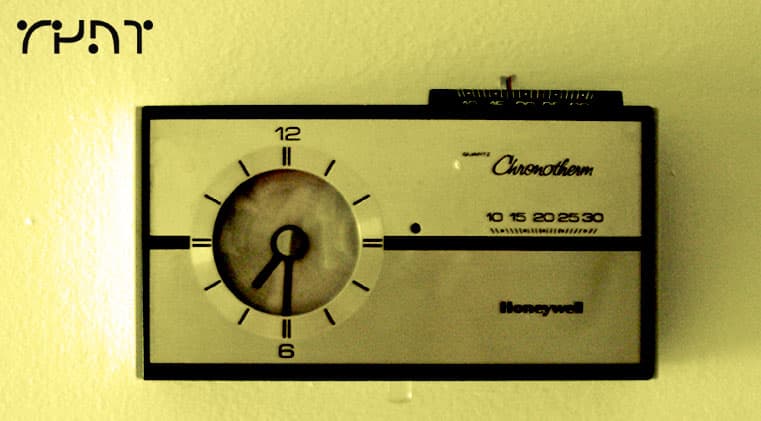
April 2001
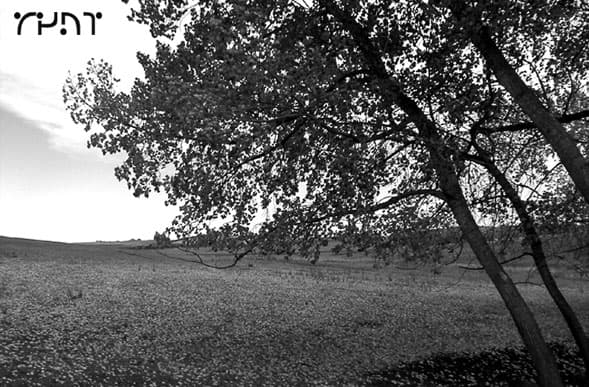
May 2001
October 2001
Every contributor carved their own corner of it. Crom wrote a long-running thread of fictional interviews, Serpentor from G.I. Joe one year, Mumm-Ra from Thundercats the next, plus satirical narratives that are still some of the funniest pieces on the site. MaxPower and I ran an end-of-year predictions series that became a late staple. Gordon McDowell, who everyone called Gord, made the R4NT shorts, a small library of original films we screened on the site.
Crom was the magazine's load-bearing wall. The most reliable contributor we had. If a deadline cratered, he could pull two or three articles out the night before. I laughed harder reading him than at almost anything else from that whole decade. He was always there.
Somewhere mid-run, photography went from a sidebar to a first-class citizen of the magazine. Every article got its own hero image. Photos ran inline alongside the words instead of in a thumb strip beside them. The visual identity snapped into focus and the writing got better next to it.
By the time it wound down: 76 contributors, 669 magazine articles and 529 posts on the companion site at blog.r4nt.com. Almost ten years of editorial output split between the two.
03
What running it taught me
R4NT pushed me further than I knew I could be pushed.
We published monthly. Most issues came together at five minutes to midnight. Plenty of months were a drag. The queue empty, no one confirmed. I'd be the one writing, coding and chasing people down to backfill. A lot of evenings at the keyboard with nothing left in the tank, pumping an issue out anyway. We never missed a deadline. That mattered more to me than anything else about the run.
The fact that the issues came together at all is what taught me what running a team actually means. Setting a release cadence. Defending a style. Project-managing a queue of volunteers who have day jobs and lives. Learning who you can count on and what people will and won't do for free. I came in as a contributor and grew into the executive editor role. That was my first leadership role of any kind, and almost everything I now know about leading creative teams started there.
The technology side was the same kind of crash course. Eight versions of the site across nine years, the first few being custom PHP CMSes I wrote before WordPress was a serious option. Databases, sessions, file uploads, image resizing, RSS, the whole web stack the hard way. By v8 I knew enough to know I'd rather use WordPress than maintain another CMS. That's a lesson too.
The photography came from festival coverage. I picked up a camera because festivals needed shooters and learned what I know on bad-light weekends with faster-moving subjects than I was ready for. R4NT Radio is how I picked up everything I know about recording, editing and mixing audio. The first episodes are rough. By episode 14 they are not.
Creativity, photography, technology, marketing, leadership, interviewing, perseverance, working across languages and time zones. Most of it traces back to this experiment from my early twenties.
It also got me my first real career. When agencies in Calgary started looking at me, I had no formal education in this and no prior employer to point at. What I had was r4nt.com. They could go to a live URL and see what I'd shipped: the writing, the design, the code underneath it, years of evidence that I could actually do the work on the internet. The site was the resume. Every ad agency job I took after that came off the back of being able to point at it.
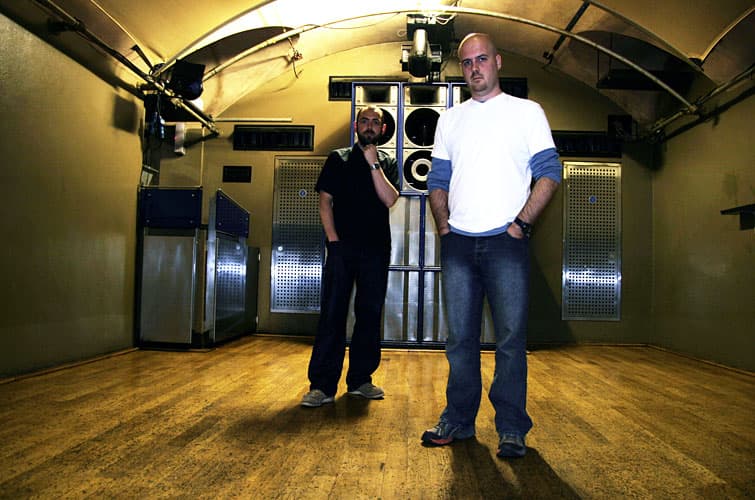
Pilot, May 2006
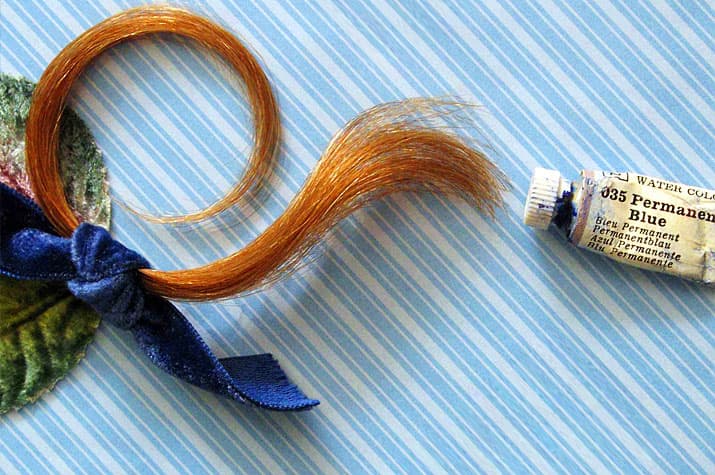
November 2008

January 2009
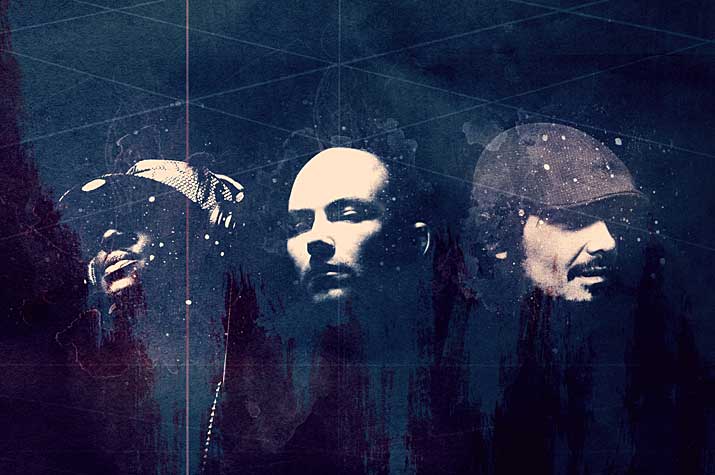
April 2009
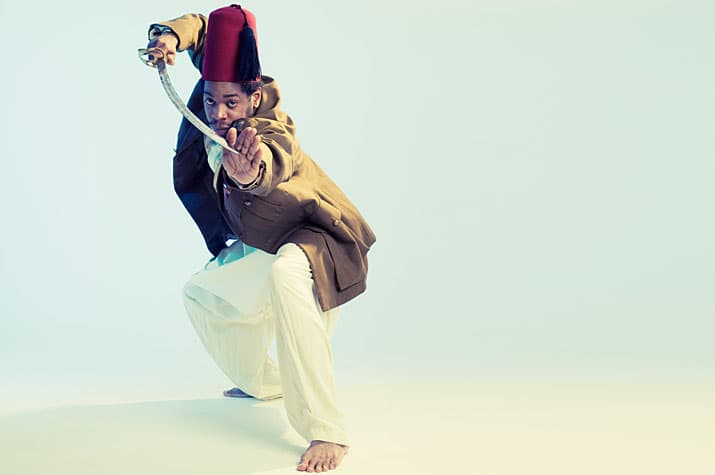
August 2009
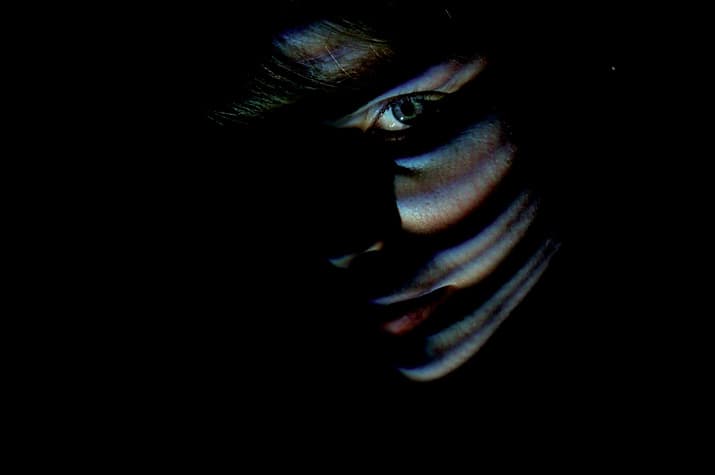
March 2010
04
The festival years
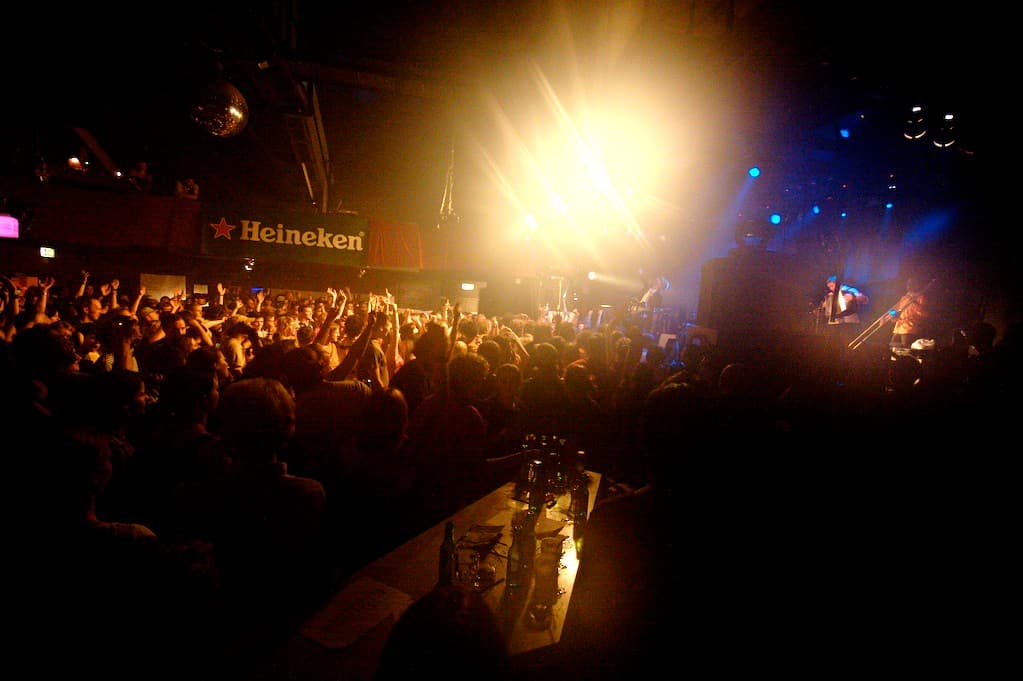
The single biggest accelerant was a generic email from a European music label saying they'd help international press get into Springfestival in Graz, Austria. I'm pretty sure they meant European press. I pitched them anyway, from Canada. The pitch leaned hard into the fact that we were a weird new outfit. An online magazine, not a print one. Daily blog posts when blog posts weren't really a thing yet. Inline photography. Day-after video reports filmed early in the morning. A couple of mornings later, before work, I opened an email saying they'd cover the airfare.
I flew to Graz with my then-girlfriend, now wife. We landed to triple-A press passes for the whole festival. Backstage, behind the stage, basically on the stage if we wanted to shoot it that way. The hospitality was surreal. I felt incredibly lucky to have that level of access at that point in my life.
We'd shoot until four in the morning, be back at the keyboard by eight, write up the night and publish it. The motivation was real.
We went back for three years. I still know those organizers. Some of the most generous people I've ever worked with.
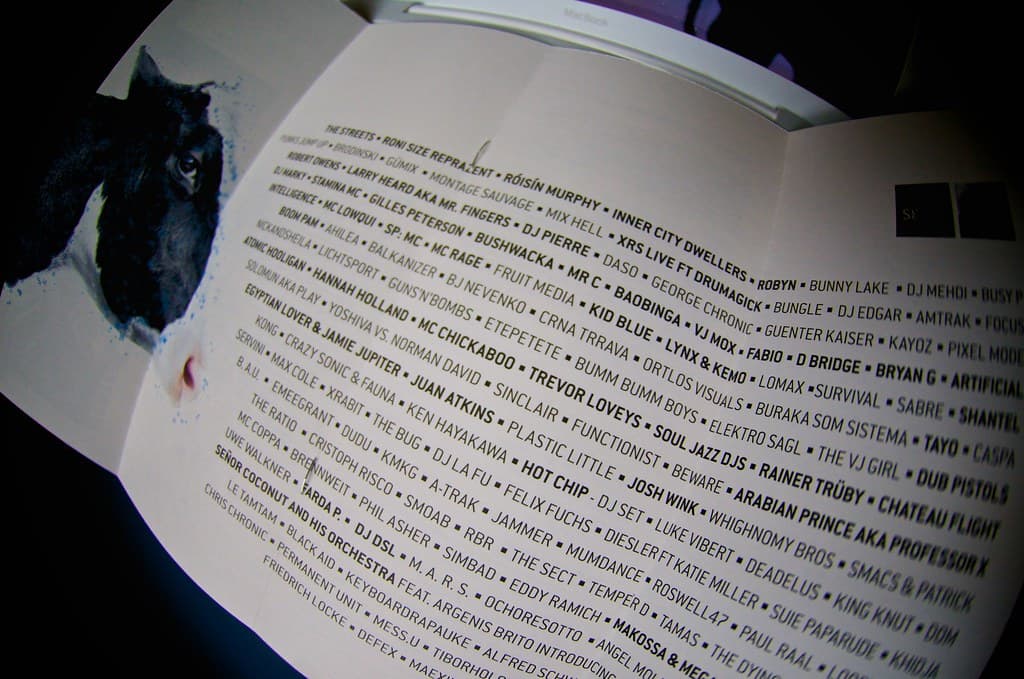
The lineups were eclectic. Larry Heard. Roni Size. Roisin Murphy. Robert Owens. Gilles Peterson. 4hero. Shantel. Grandmaster Flash. Derrick May. Carl Craig. And so many others. Acts you'd rarely see in North America, let alone Canada. All in a small Austrian city most of our readers couldn't find on a map.
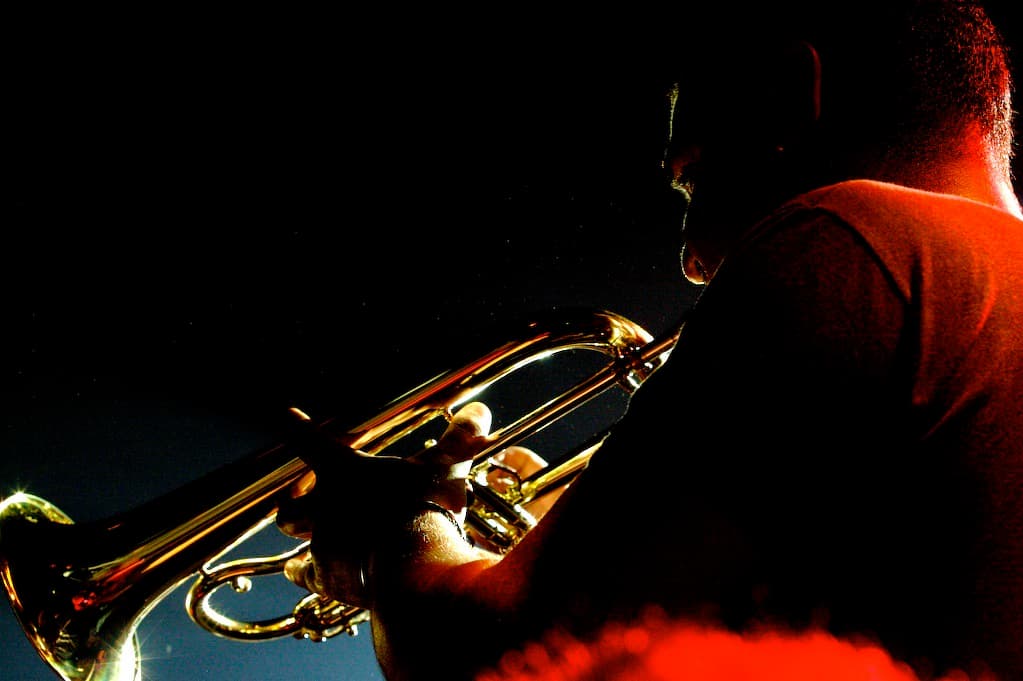
Buccovina Club Orkestar
Marko Marković
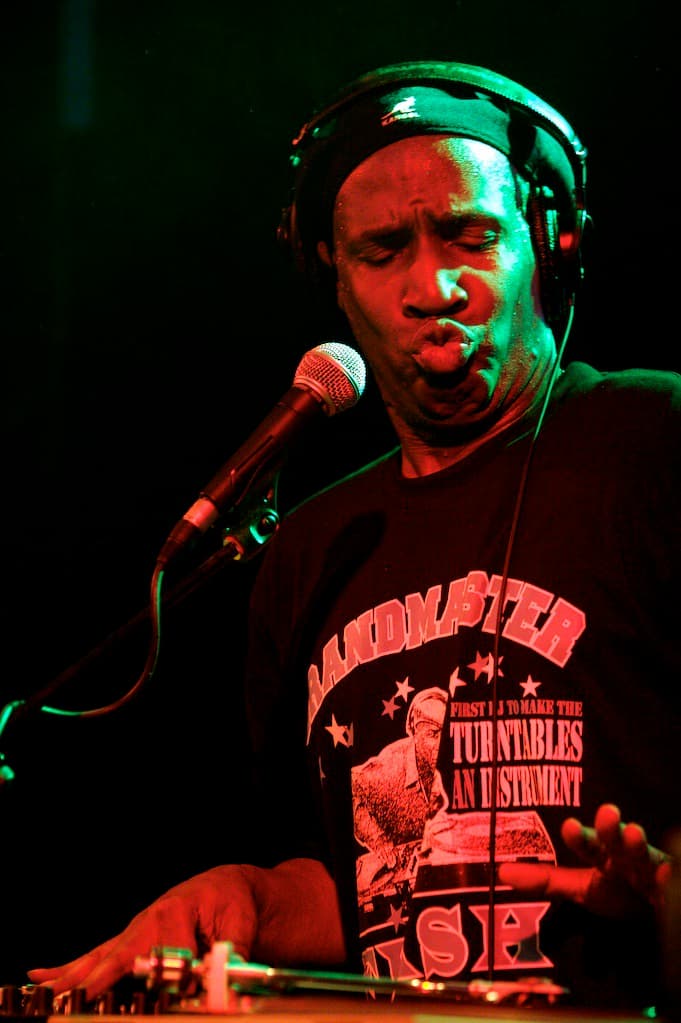
Grandmaster Flash
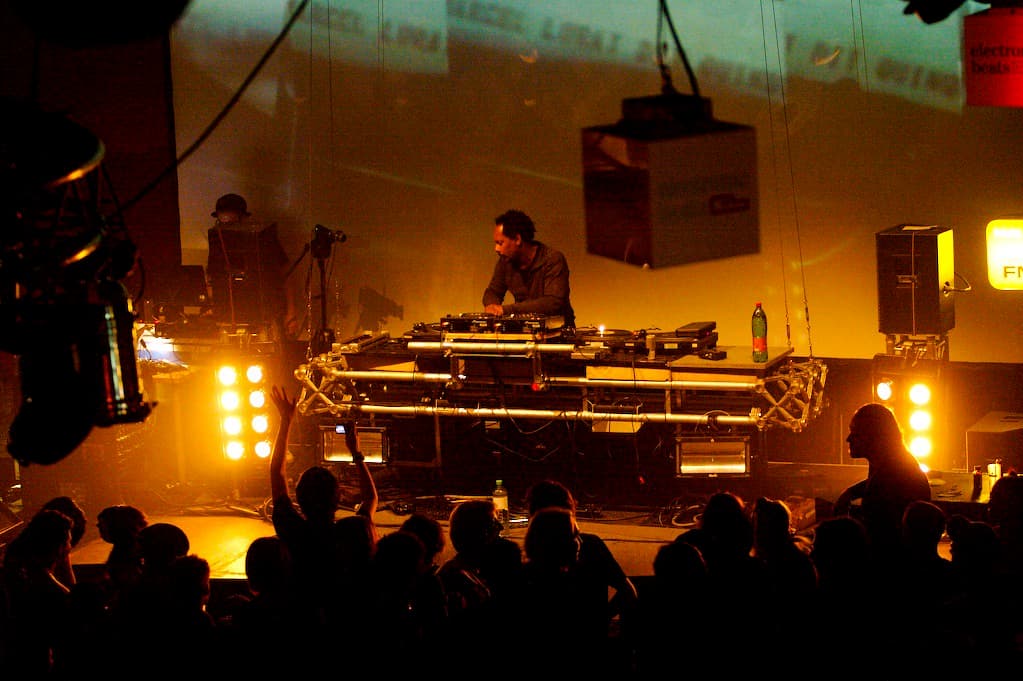
Derrick May
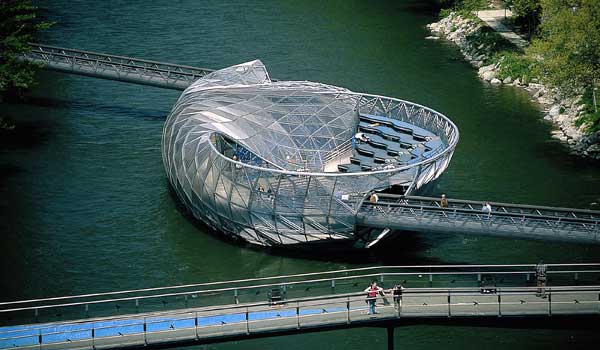
In Graz one year I met John Freer. We stayed up all night and ended up eating breakfast at Aiola Island, a restaurant built on a tiny artificial island in the middle of the Mur River. John knew music I'd never heard of and ended up writing some of the magazine's strongest pieces, including its Sónar coverage out of Barcelona that we later helped him get to as well.
Springeight was where my own photography peaked. The access was unprecedented and the lineup gave you ten reasons a night to actually shoot something good. By then it wasn't about the gear. It was about the experience, the confidence to get the shots I wanted and the fun of trying to make it my art.
I'm honestly a bit ruined for live music now. After three years of total-access festival reporting, sitting in row M with a phone-up crowd doesn't quite land the same way.

Robyn
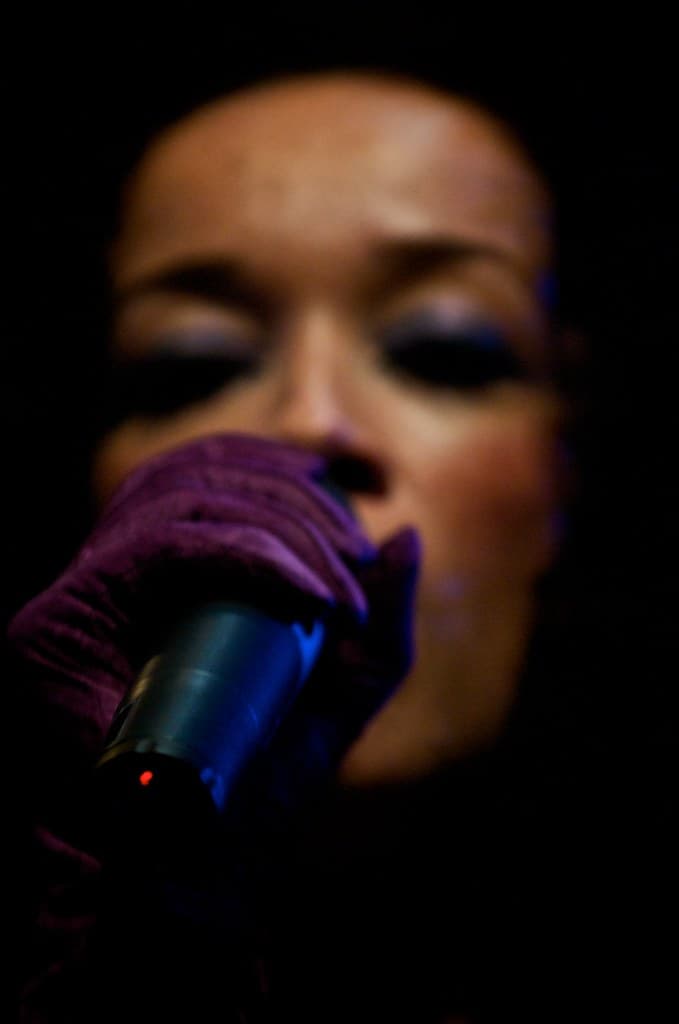
Róisín Murphy's backup
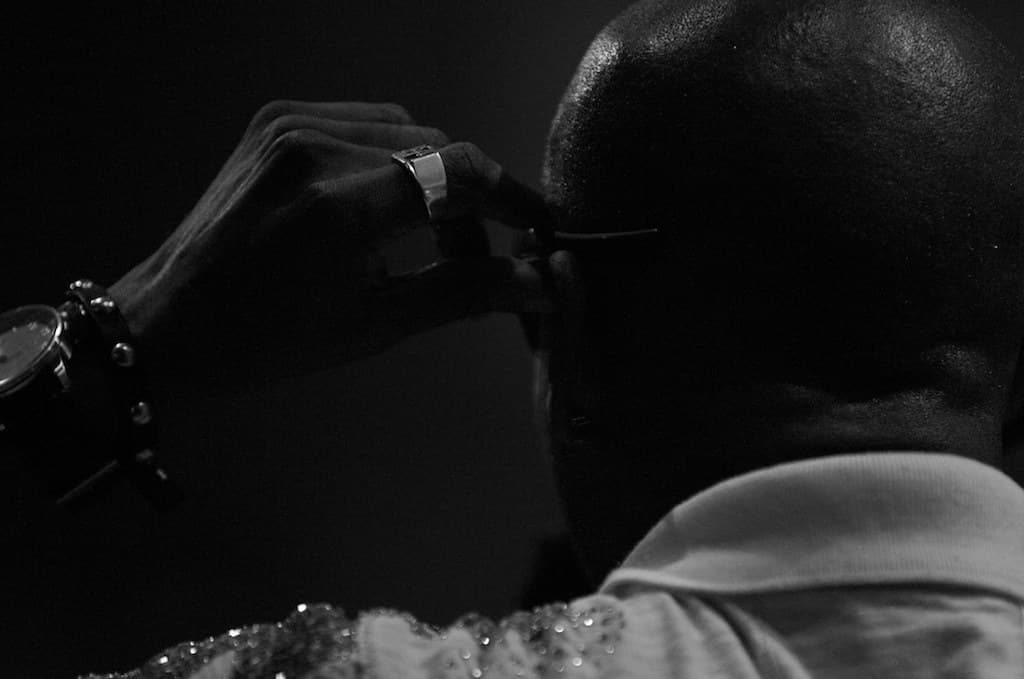
Robert Owens

Front row
The thing that really felt like the magazine punching above its weight wasn't the photography. It was who picked up the phone. We landed long interviews with Chuck D from Public Enemy in 2002, Mr. Scruff, Sixtoo, Daedelus, Coldcut in 2006, Fink in 2007. A Calgary online magazine with a hand-rolled CMS, somehow on the line with people we'd grown up listening to.
One year backstage in Graz I ended up standing next to Jonathan More from Coldcut. Press lanyard hanging off me because we'd actually pulled this off. Two feet from one of the bands I'd grown up listening to. It's the moment that gave me pause more than any other in the whole nine-year run.
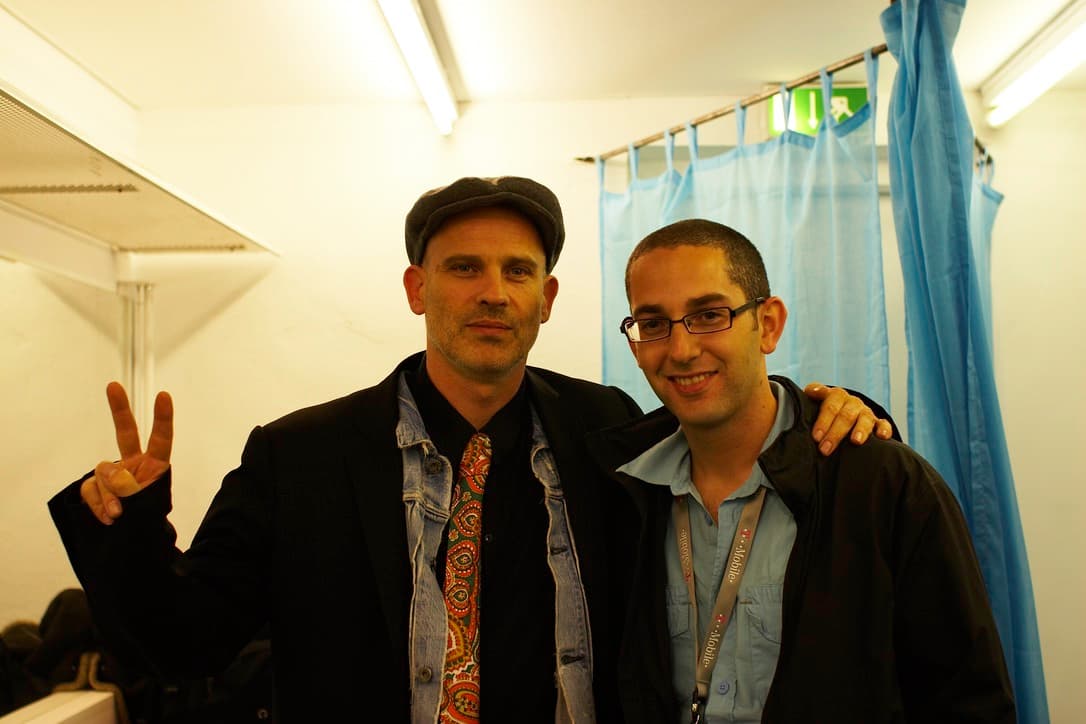
Jonathan also co-founded Ninja Tune, the London label. They backed R4NT generously across the whole run. Access to almost everything they put out. I visited their London offices later. Got to meet a lot of their artists along the way. Unreal.
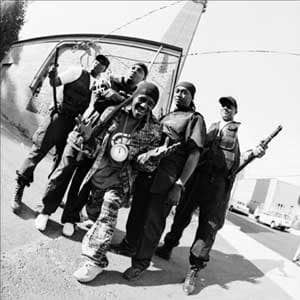
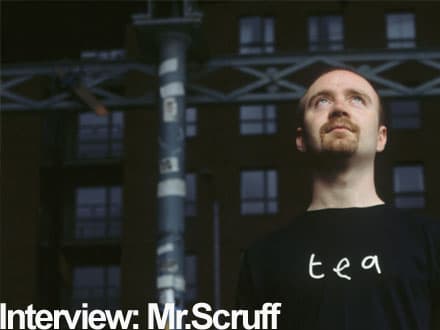
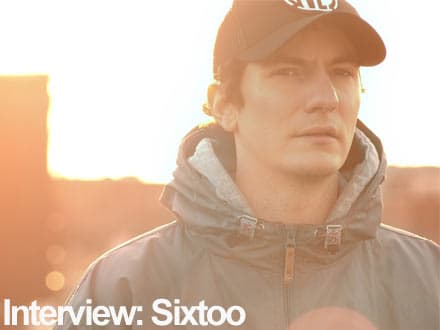

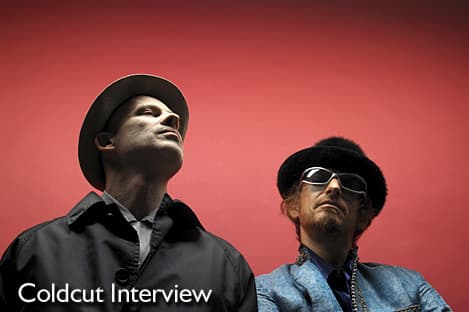
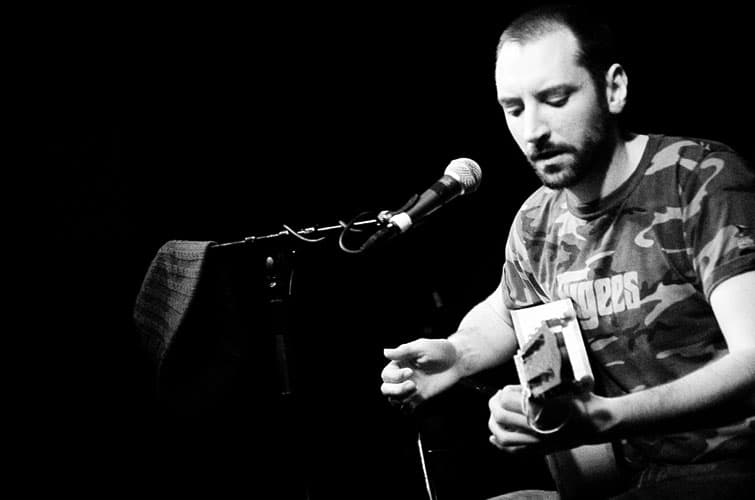
There was also a years-long run of R4NT shorts, original films made and screened on the site between roughly 2003 and 2007. Elbow River Serial Killer. Don't Drink and Pork. R4NT Revenge. They quietly died with the Flash players that hosted them. Most survived as archive.org uploads, recovered in the rebuild and re-encoded for inline playback. The acting is cringe-worthy looking back, but they were a real thing we made and they belong in the archive.
05
The column that became a company
Toward the end of the run, my friend Adrian, who had been covering bands for the magazine, pivoted to wine. We started Wine Wednesday together.
Readers wrote in asking how they could actually get the wines he was reviewing.
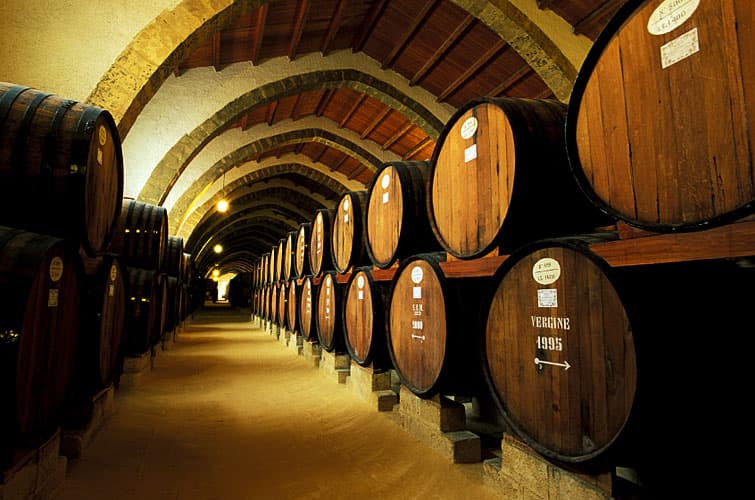
The mental model was right there in the magazine. We delivered curated content every month. What if we delivered curated bottles every month, with the writing alongside? The idea hit in December 2008.
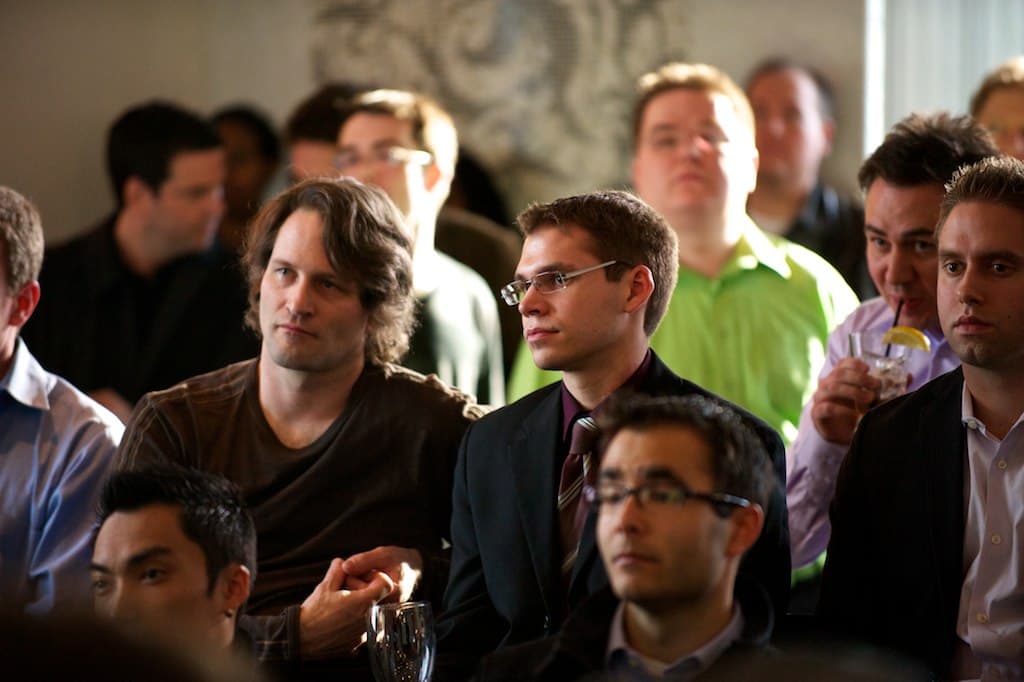
We pitched it live at DemoCamp Calgary, a tech meetup I'd cofounded and would help run for the next decade. The format was simple: stand up, demo what you were building and ask the audience for what you needed. Adrian and I stood up and pitched a wine club.
We launched WineCollective in March 2009 with no real idea what we were doing. Close to fifty subscribers in the first month. This was deep in the post-2008 recession. People had every reason to skip a luxury wine club from two guys with an online magazine. It took off anyway. Adrian was along for the ride in year one.
WineCollective grew into the largest monthly wine club in Canada. It became BlackSquare. In 2019 we carved a piece of that business out and merged it with WineFolly.com to form Folly Enterprises (now Wine Folly Inc), which I ran as CEO. None of it would exist without R4NT.
06
Then it stopped
The wind-down was a slow burn, not a decision.
By 2009 WineCollective was real. By 2010 it was the thing that needed my time, and R4NT didn't get it the way it used to. The publishing internet had also changed by then. WordPress and a thousand easier ways to publish meant the magazine wasn't doing something rare anymore. The world moved on. The last issue went out in October 2010.
The v8 WordPress migration was supposed to be the long-term answer for the site itself. It wasn't. Within a few years the live install rotted. Hot-linked images 404'd. blip.tv shut down and took the embedded videos with it. The site survived as a flat HTML export that was missing half its assets. A quiet death of the kind every personal project risks once you stop tending it.


07
Why bring it back
I didn't want this body of work to disappear, and right now feels like the moment it would.
Humanity built libraries to keep what was written down. The internet has the Wayback Machine, which is itself fragmenting, and not much else. And we're walking into a period where the line between pre-AI and post-AI writing is going to get very hard to draw. A slice of the internet from 2001 to 2010, written by 76 actual human beings figuring out how to write while writing, felt like the kind of thing worth saving specifically now.
Already, a lot of writing on the internet is hard to verify. Did the person who put their name on this actually live the thing they describe? Did they actually call Public Enemy from a Calgary apartment? The further we get from 2010, the more value an archive of pre-AI human writing carries as its own kind of record. Not nostalgia. Evidence. A magazine of people being obviously, sometimes uncomfortably, themselves on the page. I want it to exist in twenty years as a fixed point.
The other half is personal. R4NT was a chapter of my life, not just my work. Bringing it back means the people who were part of it can read it again, and the people who weren't can see what we made.
The full technical chronicle of the rebuild lives at restoring-the-archive.
08
What surfaced in the reading
Rebuilding a nine-year archive means you also re-read it. The thing that surfaced wasn't the work. It was what the work had let us do.
R4NT, more than anything, gave the people who made it a place to play. A place to find a voice and try it out in public. A reason, sometimes, to go see parts of the world we wouldn't have seen otherwise. Backstage at Springfestival three years running. Breakfast at dawn on an island in the Mur. On the line with people we'd grown up listening to. Most of us came out of it as a version of ourselves we wouldn't have otherwise become.
I got the chance to meet so many people through this magazine, from every walk of life and all over the world. So many of them helped make it what it was. R4NT was a collective work in a slice of the internet that's long gone.
R4NT didn't come with a map or instructions. No walls. Just raw creativity, free to be whatever it could be. It became the blueprint for how I've operated as an entrepreneur ever since. Find signal, work to embrace it. No signal, move on. Everything I do now is downstream of this experiment I started in my early twenties.
I'm grateful I did it, and to every single person who contributed across those nine and a half years. I hope bringing it back online brings some joy to the people who were part of it.
The site is live at r4nt.com again. It shouldn't need moving for another twenty years.

If you were part of R4NT, or that slice of the internet was yours too, say hello. I'd like to hear from you.