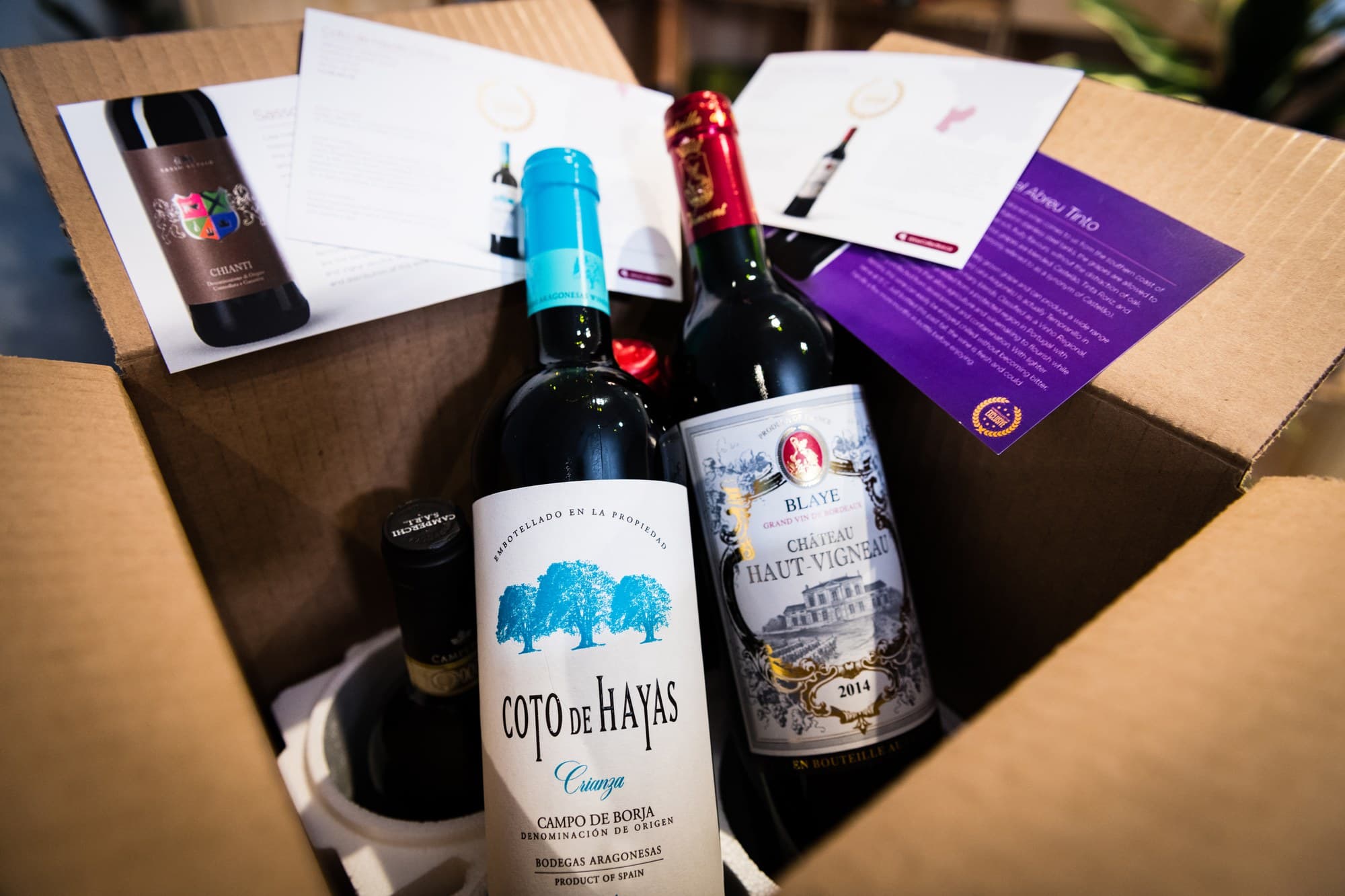
In March 2009 my friend Adrian and I launched a wine club out of Calgary called WineCollective. It started as a column on R4NT, the online magazine I'd been running since 2001. A contributor's passion. A reader question. A pitch on a February evening at a tech meetup. The path went through BlackSquare and into Wine Folly, which I ran as CEO.
None of that arc was planned. This is the version with the photos.
01
The wine column
R4NT had been running for seven years. By 2008 the magazine had a regular cast of contributors writing what they loved: music, film, food, festivals, gaming and photography. Adrian had been covering bands. He pivoted to wine.
Wine Wednesday became a regular column. Adrian wrote with the taste obsession that only the truly passionate carry. He'd review bottles he'd opened. He'd describe the regions, the producers, the years. The pieces were specific and serious. Readers responded.
Then a question came in. Where can I actually buy these?
That was the spark. We sat with it for a few months.
02
The pitch
DemoCamp Calgary is a tech meetup I co-founded in 2007. It runs the way you'd want a startup meetup to run. Founders stand up, demo what they're building, ask the audience for what they need. No slides longer than five minutes. Honest feedback in the room.
We started the concept in December 2008 and moved fast. We designed it, found the partners, built the back-office and even worked out how to deliver wine, all inside a couple of months. By February 2009 it was real. Adrian and I went up at DemoCamp and pitched the wine club. Curated bottles every month, alongside the writing that explained them. Same monthly cadence as the magazine, just with bottles instead of articles. The audience pushed on it. We were weeks from launch.
03
The launch
WineCollective launched in March 2009. Close to fifty subscribers in the first month.
For context: this was deep in the 2008 recession. People had every reason to skip a luxury wine club from two guys running a webzine. It took off anyway. Adrian was in for the first year and then moved on. I stayed.
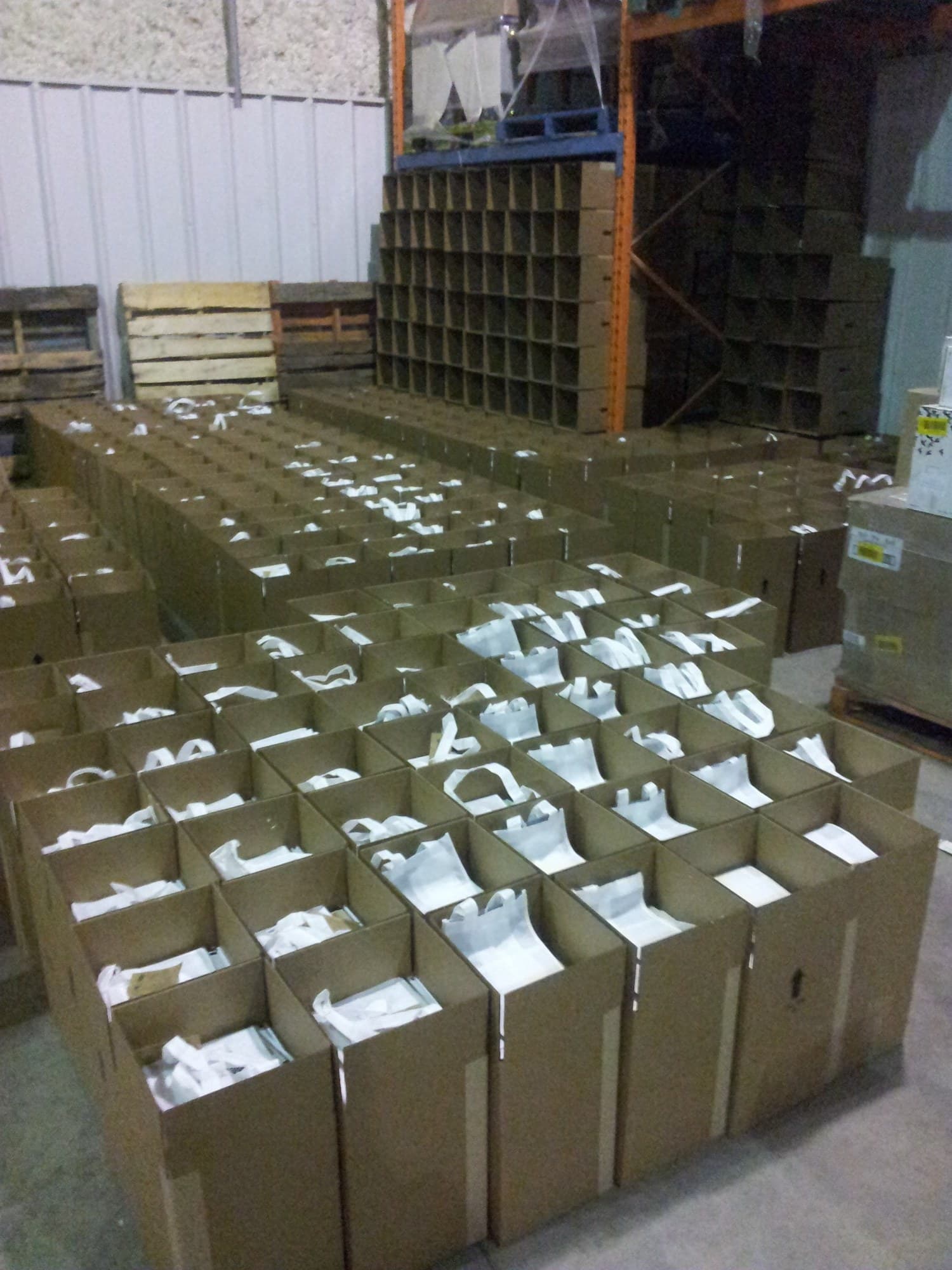
Making this work and scale meant getting a lot of overwhelming things in place. Selling and shipping alcohol comes with rules most startups never touch. You need a liquor license to sell it and licensed shipping to move it. We didn't have a license at the start, so we partnered with a store that had one.
We rented a warehouse and started shipping in Calgary. Going national months later meant cracking the regulatory maze of selling wine across Canadian provinces, which is its own kind of art. The early days were operational learning by doing. We ran on that store partnership for years before buying our own liquor store.
04
Ramping
The first few years were heads-down. We ran the club, the operations, the customer service, the writing. We figured out what scaled and what didn't.
Matthew Protti came on as my business partner during this period. By 2011 we were ready to try a second product. Adrian's reviews skewed toward serious collectors as much as casual subscribers, and we'd built a back-office that could do flash sales as well as monthly shipments. We carved out a sister brand called Tannic, a flash-sale portal for rare and expensive wines, approval-required to join. It ran on the same infrastructure as WineCollective.
The main club kept growing. By the mid-2010s WineCollective was Canada's biggest monthly wine club, shipping the equivalent of two transport trucks of wine across the country every month. Ten tonnes, give or take, depending who was counting.
05
BlackSquare
Around 2012 Matthew and I started seeing a pattern in the wine industry. The wineries we were buying from couldn't sell direct to consumers themselves. Canadian liquor regulation limited supply in ways that made online direct-to-consumer essentially impossible without a serious technology platform.
We built that platform. We called the company BlackSquare. The flagship product was BlackBoxx, a winery-facing app that let producers run their own direct-to-consumer wine sales. Same back-end logistics we'd built for WineCollective, productized for the wineries themselves.
By the mid-2010s BlackSquare was facilitating millions of dollars in wine sales online for clients across three continents. McWilliams in Australia. Vineland in Ontario. Stags Hollow in British Columbia. WineCollective was now one of several brands running on the BlackSquare platform. I shifted from operating WineCollective day to day to acting as Chief Design Officer for the platform business.
The wine industry isn't a place that loves change. Canadian liquor regulation isn't a place that loves change either.
Most of the actual work was that fight. The technical work was the easy part. The hard work was convincing the people who held the keys.
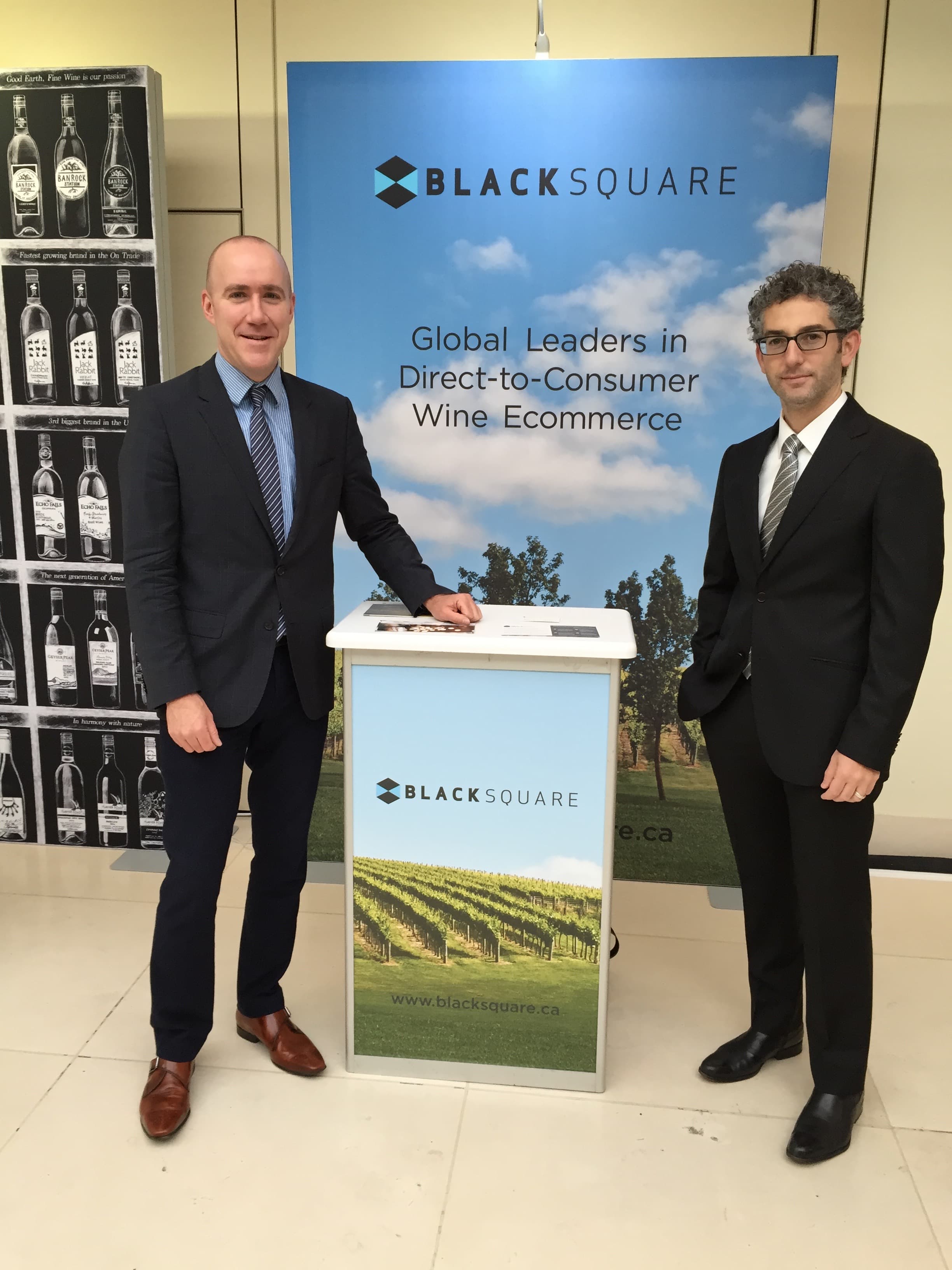
Presenting BlackSquare in London, 2014
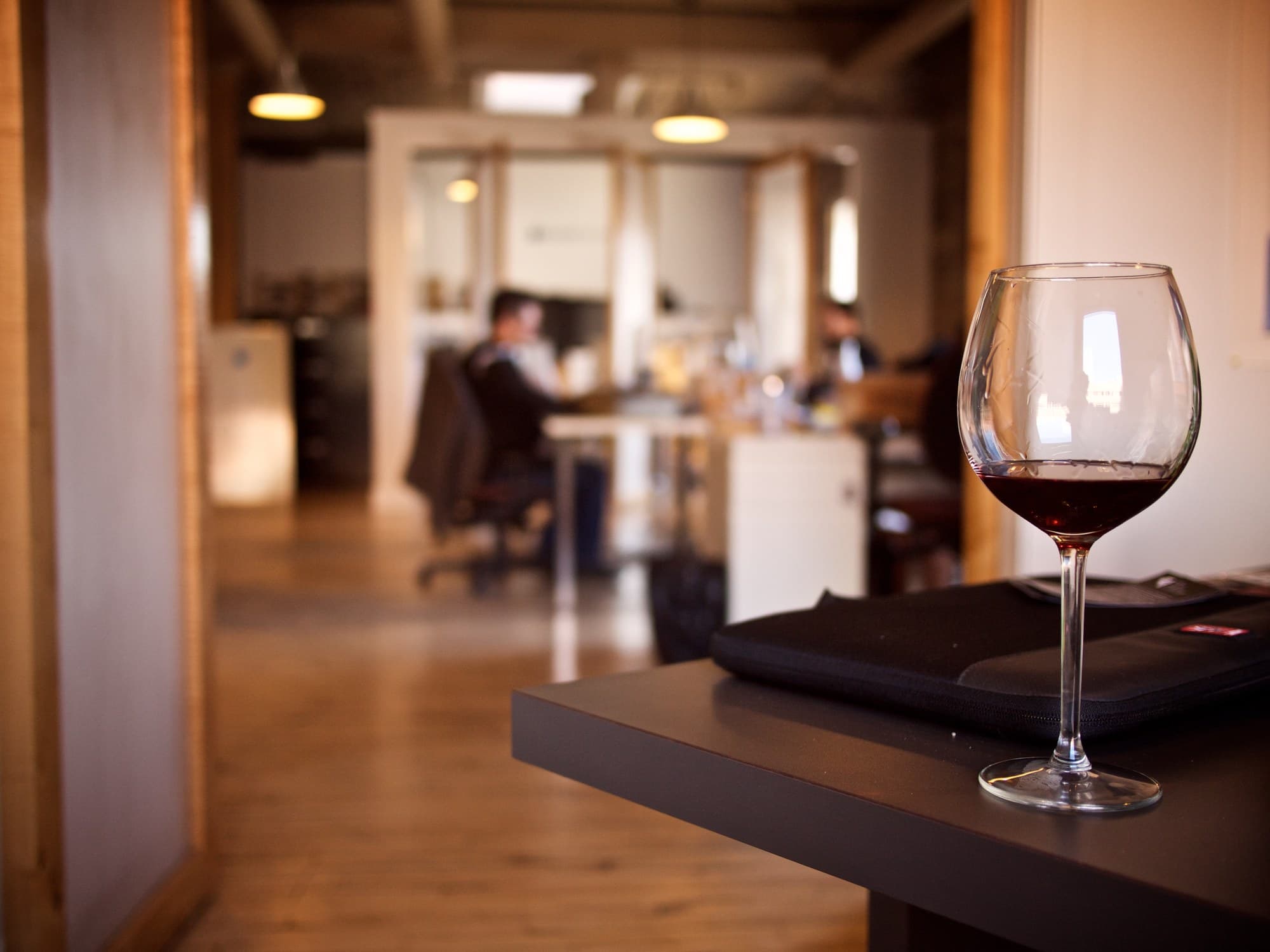
My old office at BlackSquare
06
The press years
In 2014 Avenue Calgary put me on its Top 40 Under 40 list. I was 35. The piece described WineCollective and BlackSquare and the business we'd built. I remember being more pleased than I'd have predicted by a regional magazine recognition. It was a real moment.
A year later Sharp Magazine ran a longer feature. Black and white photo. Polka-dot tie. The opening line was "Forget what you think you know about Calgary's mythic Cowboy culture. One of the biggest revolutions in the wine industry started here, thanks to David Gluzman." I winced a little. I also kept the magazine.
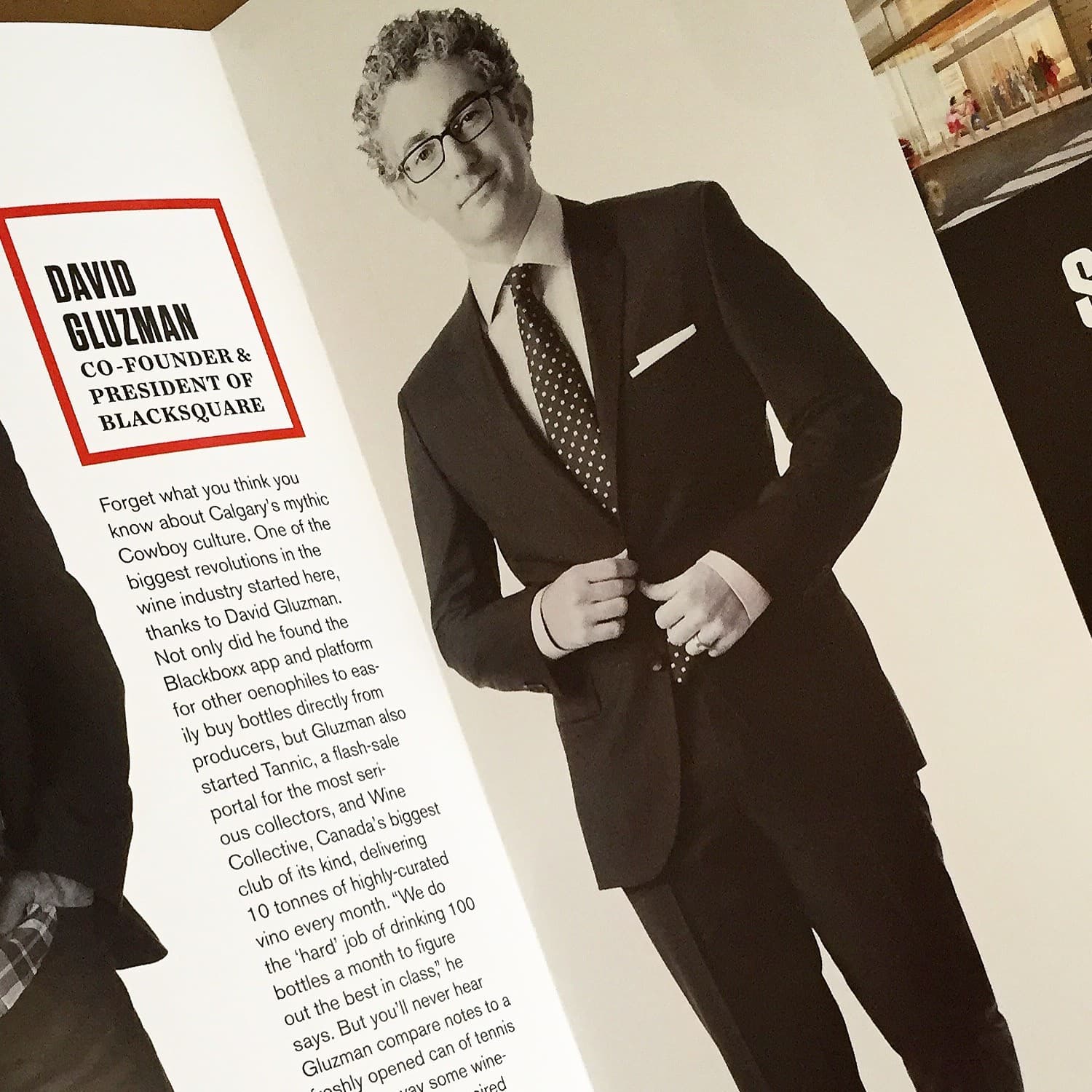
The reporter asked me a lot of questions about wine, about innovation, about why I'd left a career in IT to get into the wine business. I gave him a line I still believe.
That's still the whole job. Cut through the gatekeeping and the gobbledygook so the wine itself can be the thing people care about.
07
The merger
Madeline Puckette and I had known each other for years through the wine information world. She'd co-founded Wine Folly in Seattle in 2011, building it into the leading wine education resource on the internet. James Beard Award. IWSC Wine Communicator of the Year. Visual storytelling that worked.
Meanwhile at BlackSquare we'd been quietly building a separate venture called the Global Wine Database. The ambition was technical: a single source of truth for the industry's data, gathered and standardized from producers around the world.
Wine Folly had the audience and the storytelling. Global Wine Database had the data layer. The two sides had been talking about a merger for a while.
We announced it on April 3, 2019. WineFolly.com and the Global Wine Database side of BlackSquare merged into a new company called Folly Enterprises, now Wine Folly Inc.
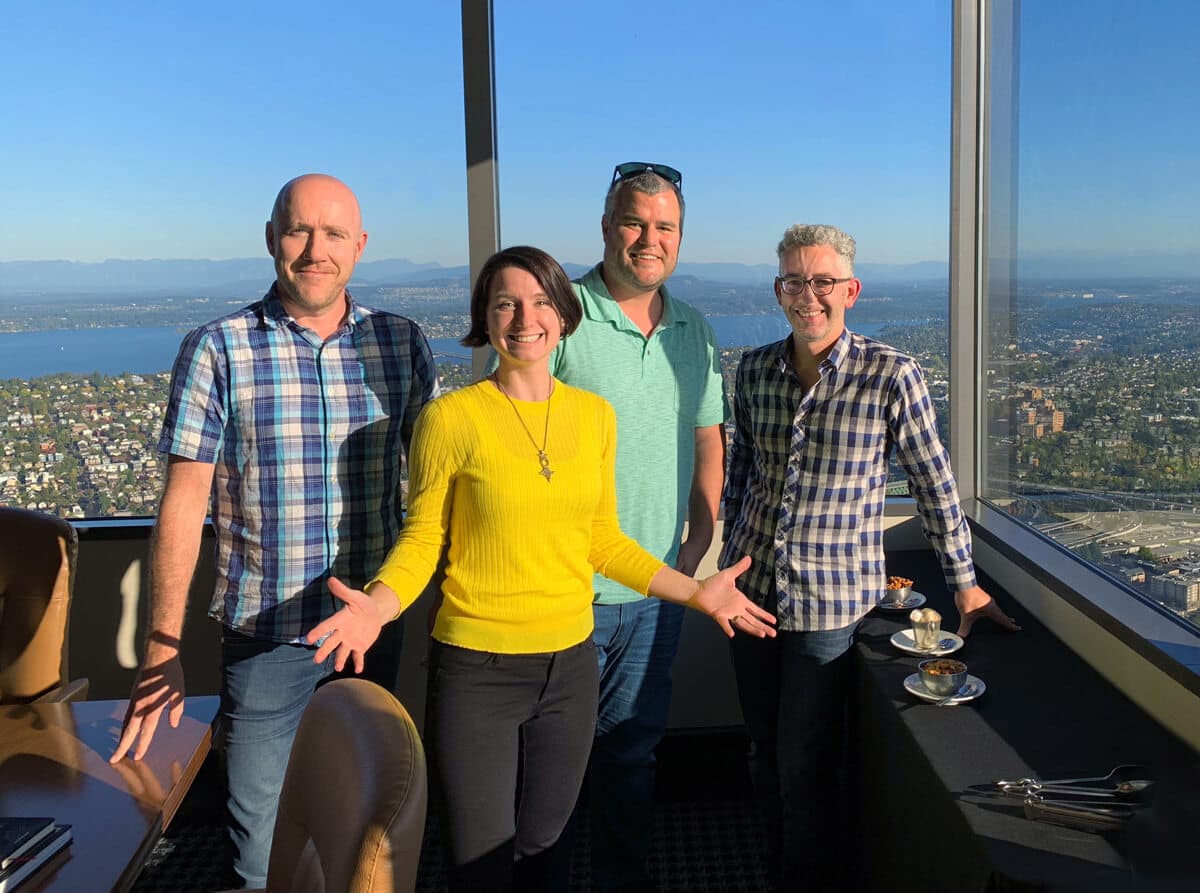
That was the framing for what Wine Folly was for. The four of us went in as the founding team: Matthew Protti as CEO of BlackSquare, Madeline as co-founder of Wine Folly, Ben Andrews as co-founder of Wine Folly, and me as CEO of Wine Folly.
08
Today
Wine Folly today does what we said we'd do. The Global Wine Database keeps growing. The publishing and the education keep going. The Wine Folly+ membership, the video series, the books, the maps and the apps. All the same project in different forms. Take wine information and make it human.
One of those forms happened on a bike. Madeline and I hosted a video series riding through wine regions, Alentejo in Portugal among them. It was the most fun I'd had on a project in years. Two parts of my life that had run on parallel tracks for twenty years, finally working together.
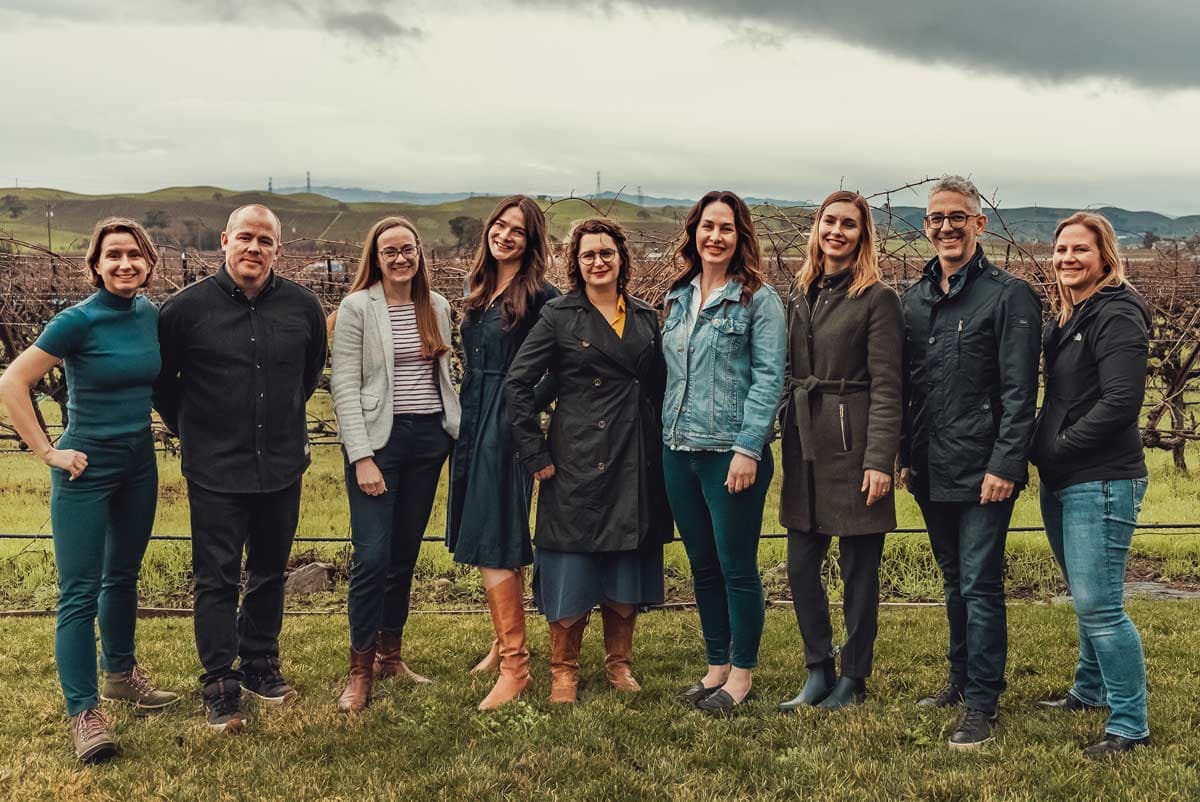
The 2019 merger was the handoff for me. WineCollective and BlackSquare were the decade before. Wine Folly is what I went on to run, and it's been the focus since.
A wine column on a webzine. A reader question. A pitch at DemoCamp. A decade in WineCollective and BlackSquare, then on to Wine Folly. That's the story.